


Last Minute Deepavali Gifts in Malaysia : It’s Not Too Late to Make Someone’s Day
There are two kinds of people when it comes to festive preparations. Those who have their gifts neatly arranged weeks in advance, and those who suddenly realise that Deepavali is just around the corner.
If you belong to the second group, you are certainly not alone.
Deepavali falls on 8 November 2026, and with just a few days left, there are probably still friends, relatives, colleagues and business associates on your list whom you have yet to surprise.
But here’s the thing. A thoughtful gift doesn’t necessarily require weeks of planning. Nor does it have to be extravagant to make an impression.
Sometimes, it is simply about choosing something that the recipient will appreciate, presenting it beautifully and making sure it reaches them in time.
At Pods & Petals Giftlab, we have always believed that gifting is more than the exchange of presents. It is one of those little gestures that help us maintain relationships, express appreciation and remind people that they matter.
And Deepavali gives us a particularly good reason to do just that.

Deepavali: A Celebration of Light, Giving and Togetherness
Deepavali, also known as Diwali, is widely celebrated as the Festival of Lights. It is a time associated with the triumph of light over darkness, good over evil, and the welcoming of prosperity and new beginnings.
But beyond the beautiful lamps, colourful decorations and festive delicacies, there is something else that makes this occasion special.
It brings people together.
Families gather, friends visit one another, homes open their doors to guests, and food is shared generously. It is also a time when people make an effort to reconnect with those they may not have seen for some time.
And then there are those who cannot be there physically.
Perhaps your parents are in another state. A close friend lives in a different city. Or a business associate has been particularly supportive throughout the year.
A Deepavali gift is a lovely way of saying, “I may not be there to celebrate with you, but I am thinking of you.”
That, in itself, is worth something.
What Makes a Good Deepavali Gift?
We have always found that the best gifts are not necessarily the most expensive ones.
A gift that is thoughtfully selected, beautifully presented and appropriate for the person receiving it will often make a stronger impression than something considerably more expensive but chosen without much thought.
For Deepavali, traditional Indian delicacies remain firm favourites. Festive snacks, sweets, savoury treats and gourmet selections are particularly suitable because they can be shared with family and visiting guests.
For someone who appreciates a little indulgence, premium chocolates and gourmet hampers offer another attractive choice.
And for those who prefer something beyond food, a beautiful floral arrangement or a live Phalaenopsis orchid can make a rather different impression. Unlike festive treats that are eventually enjoyed and finished, a flowering orchid can continue to brighten a home long after the celebrations are over.
The trick is to think about the person receiving the gift, rather than simply buying something because it happens to be festive.
Deepavali Hampers Malaysia: Traditional Favourites with a Thoughtful Touch
There is a good reason why Deepavali hampers remain popular year after year.
They are practical, presentable and, most importantly, made for sharing.
A well-curated hamper brings together a selection of treats that the recipient and their family can enjoy. It also makes an excellent choice when visiting someone’s home during the festive season.
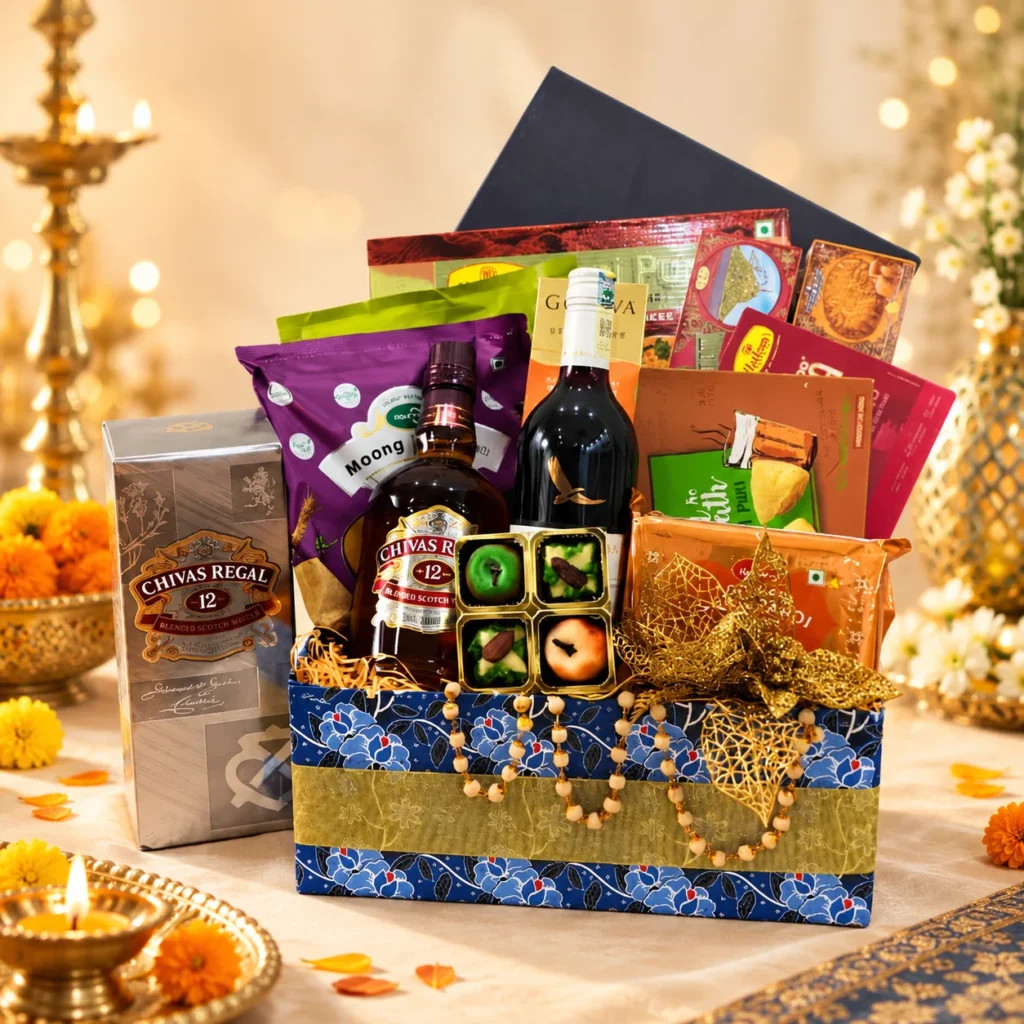
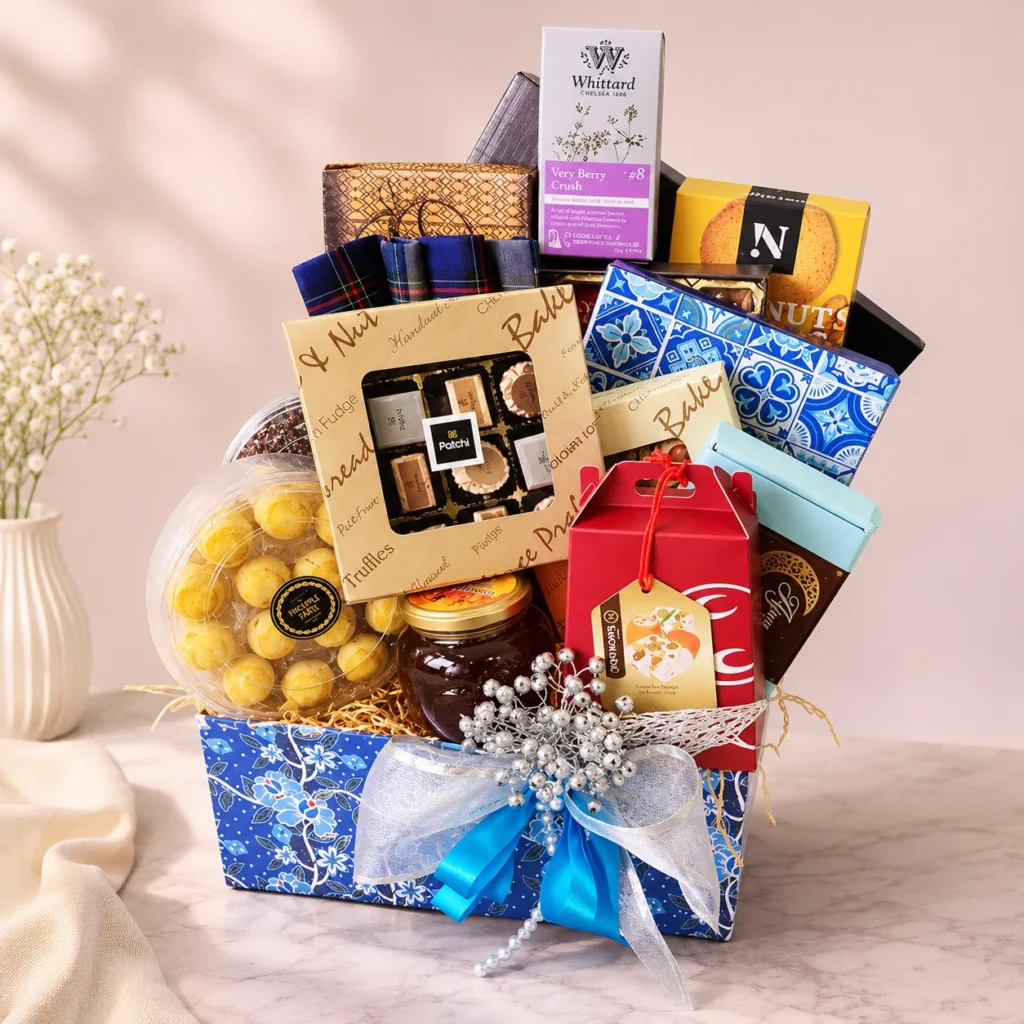
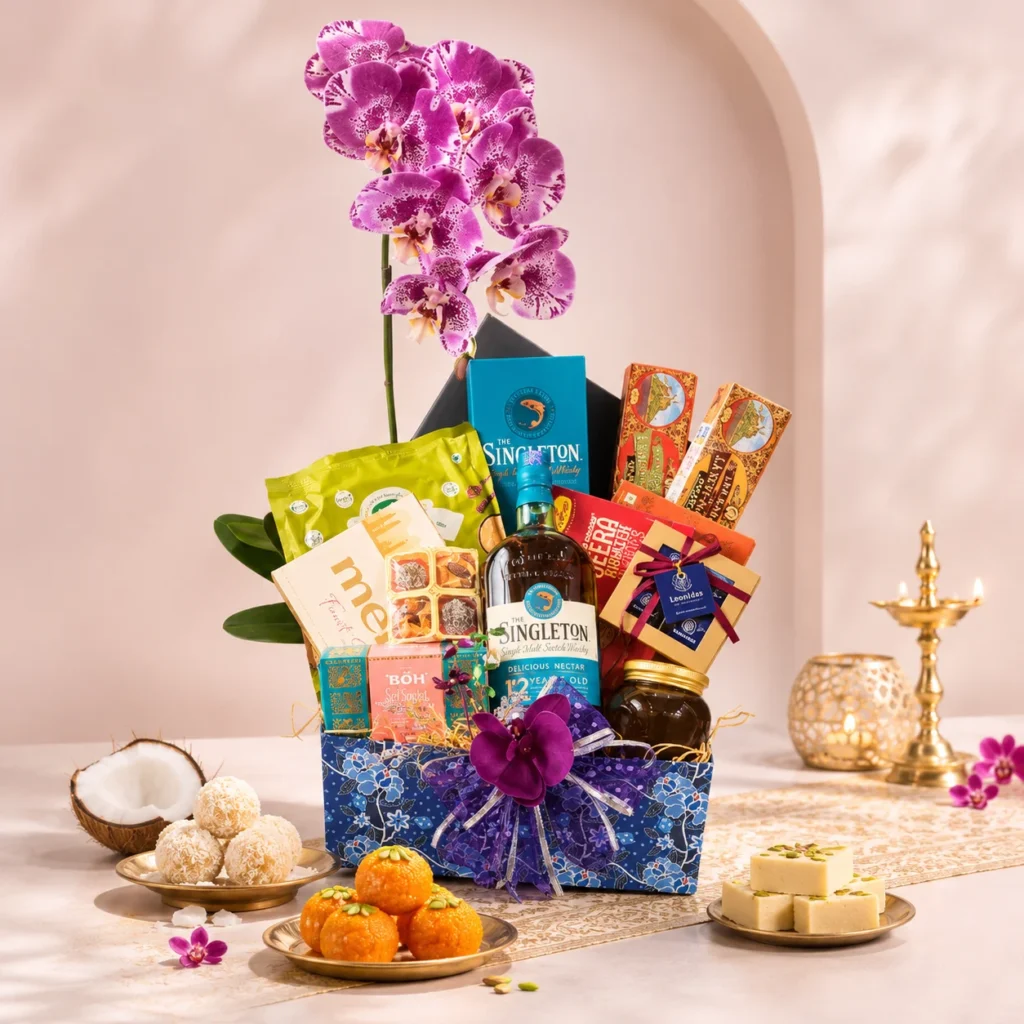
At Giftlab, our Deepavali collection brings together a variety of festive gifting ideas, from traditional Indian vegetarian hampers and gourmet selections to premium hampers featuring live Phalaenopsis orchids.
For those who appreciate traditional flavours, our vegetarian hampers offer a selection of festive treats without compromising on presentation.
For a more distinctive gift, our orchid hampers combine the beauty of live flowers with carefully selected gourmet items. It is a combination that adds a little more character to the usual festive hamper.
Whether you are looking for a Deepavali gift for family, a friend or someone you do business with, there is something rather satisfying about sending a gift that looks just as good as it feels to receive.
Explore our Deepavali Gifts and Hampers Collectionto discover the available selections.
Sending Deepavali Gifts to Family, Friends and Business Associates
Not every Deepavali gift serves the same purpose.
A gift for your parents may be different from one you send to a friend. And a present for a valued business associate should naturally carry a different sense of occasion.
For family and friends, festive hampers filled with traditional snacks, chocolates and gourmet treats are always welcome. They are easy to share and bring a little more joy to the household.
For respected elders, a more premium hamper or an elegant orchid arrangement can be a thoughtful expression of appreciation.
For colleagues, clients and business associates, presentation matters. A well-selected corporate Deepavali gift conveys goodwill and acknowledges the relationship beyond the usual exchange of business cards and emails.
If you are arranging gifts for multiple recipients, Giftlab also provides corporate gifting solutions, with opportunities for personalised greeting cards and customised arrangements, subject to requirements.
After all, business relationships are still relationships. A little thoughtfulness can go a long way.
For corporate enquiries, visit our Corporate Gifting page.
Last-Minute Deepavali Gift Delivery in Malaysia: A Little Planning Still Goes a Long Way
Now, back to those who are beginning to feel the pressure of the festive countdown.
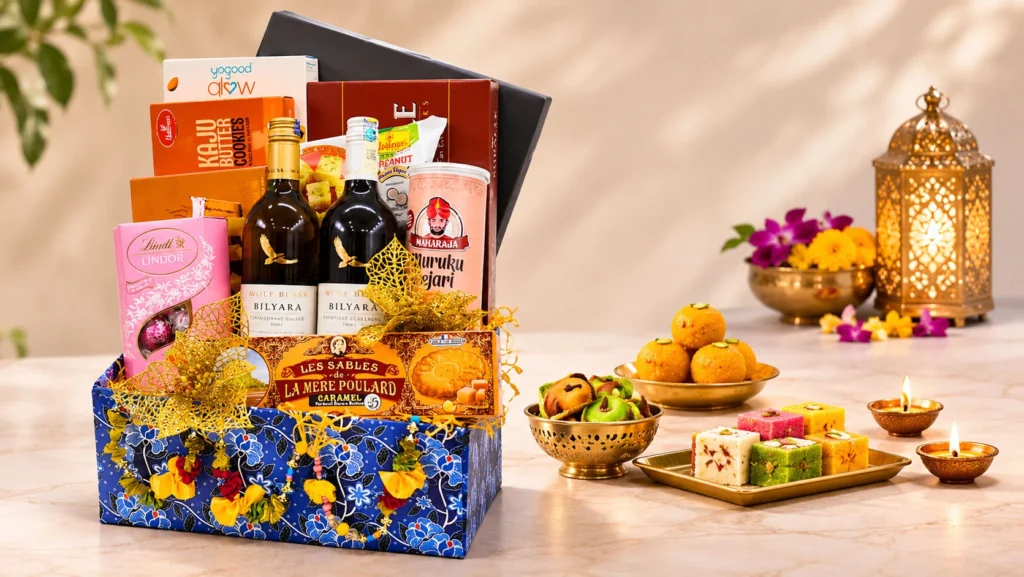
With Deepavali just five days away, time is certainly not on your side. But that doesn’t mean you have to settle for something ordinary.
Shopping online makes it considerably easier to browse different Deepavali gifts, compare selections and arrange delivery without having to travel from one shop to another.
At Pods & Petals Giftlab, we have been helping customers celebrate important occasions since 2002. We understand that festive gifting is not always planned weeks in advance. Sometimes, the decision is made after a reminder from a family member, an invitation to an open house or a sudden realisation that someone has been left off the list.
It happens. We won’t judge.
Our online Deepavali collection allows you to explore the available hampers and gifts, with delivery arrangements to eligible destinations across Peninsular Malaysia, subject to the product and delivery location.
If you are ordering close to the festive date, we encourage you to check the available delivery schedule before confirming your purchase. Delivery availability may vary depending on the item and destination.
A little attention to timing can make all the difference between a gift that arrives beautifully for the occasion and one that arrives after the celebrations have ended.
A Little Thought Goes a Long Way
We have been in the flower and gifting business for more than two decades. If there is one thing we have learnt, it is that people remember how a gift makes them feel.
They may not remember every item inside a hamper. They may not even remember how much it cost.
But they will remember that you thought of them.
And perhaps that is what festive gifting is really about. Not the size of the box, the number of items inside or the price tag attached to it, but the thought behind sending it in the first place.
So, if there is someone you have yet to surprise this Deepavali, there is still time to make their day a little brighter.
Explore our collection of Deepavali gifts and hampers in Malaysia and find something worth sharing.
From all of us at Pods & Petals Giftlab, we wish you and your loved ones a very Happy Deepavali.
May the Festival of Lights bring happiness, prosperity and many wonderful moments to share.
It's All About Being Different.
Frequently Asked Questions
You can explore the Deepavali collection at Pods & Petals Giftlab, featuring traditional Indian vegetarian hampers, gourmet gifts, chocolates and premium orchid hampers. Orders can be placed online through our website.
Popular choices include traditional Indian snacks, festive sweets, vegetarian hampers, gourmet chocolates and premium gift baskets. For something a little different, live orchid arrangements paired with gourmet treats also make elegant festive gifts.
Yes, you can check the available delivery dates for selected products when placing your order online. Availability depends on the product, destination and delivery schedule. We recommend confirming availability before completing your purchase, particularly when ordering close to Deepavali.
Selected Deepavali hampers are available for delivery to eligible destinations across Peninsular Malaysia. Delivery availability depends on the product and destination. Please check the delivery options during checkout.
Yes. Giftlab accepts corporate gifting enquiries, including bulk orders and selected personalisation requirements. For larger quantities, customised arrangements or multiple delivery addresses, please contact our team to discuss your requirements.
Yes. Our Deepavali collection includes Indian vegetarian hamper selections, suitable for recipients who prefer vegetarian festive treats. You can browse the available choices in our Deepavali collection.